Not Found
Digital Seminar

Racial and Generational Trauma

Evidence-based Somatic Interventions for BIPOC Clients

Speaker:
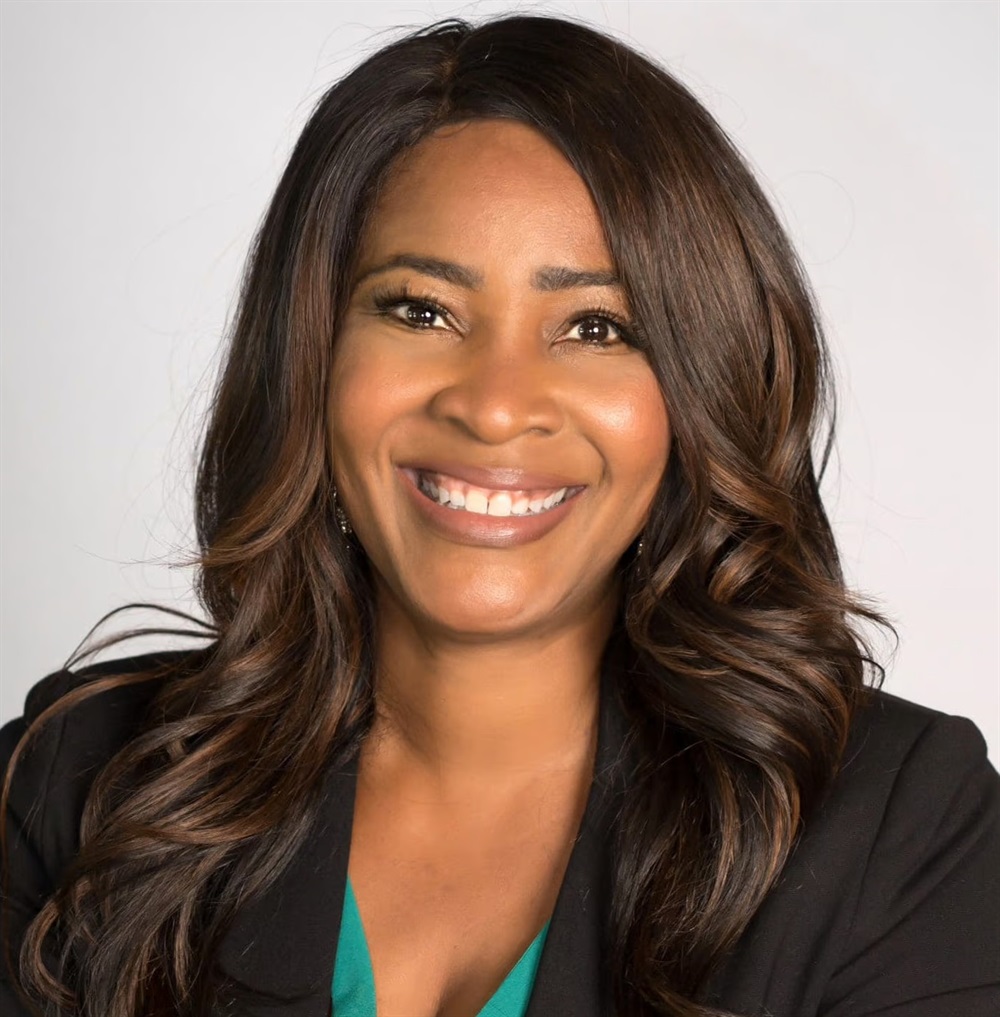
Chinwe Williams, PhD
Duration:
6 Hours 20 Minutes
Language:
Presented in EN, subtitles in EN, ES, DE, IT, and FR, handouts in EN, ES, DE, IT, and FR
Copyright:
14 Dec, 2022
Product Code:
POS059040
Media Type:
Digital Seminar


Description

Increased hate crimes. Fear and discrimination. Police brutality and traumatic media coverage. Higher rates of mental and physical health disorders.

Just because your clients aren’t talking about racial trauma, doesn’t mean they’re not dealing with it.

It is critical that your therapeutic space instills a sense of safety and calm and agency and empowerment for BIPOC clients.

Imagine your Black, Indigenous, and people of color (BIPOC) clients leaving therapy…

…feeling like their traumatic experiences no longer drain or define them

…having gained a sense of ownership over their story

…using their trauma to help or inspire others into healthy action

Chinwé Williams, PhD, and Licensed and Board-Certified EMDR therapist has been supporting BIPOC clients with trauma recovery for over a decade. She serves the BIPOC community as a published researcher and author, consultant, educator, and a featured expert blog and media contributor. She specializes in somatically-focused approaches to teach clients how to regulate the nervous system and safely use the body for healing racial trauma.

In this one-day seminar, Dr. Williams will go beyond cultural competency and “topdown approaches”, like CBT—because clients can’t think their way out of trauma.

You’ll learn…

  • somatic, body-based interventions to heal the nervous system and target trauma at the cellular level
  • new exercises to explore your identity and bias
  • the latest ways to support racial wellness and self-care

Don’t let therapy be another space where a BIPOC client doesn’t feel safe and heard.

Watch this expert-led training to grow deeper in your connections with BIPOC clients and improve clinical outcomes.

Credit


Self-Study Credit

This self-study program consists of 6.5 clock hours of continuing education instruction. Credit requirements and approvals vary by country and local regulatory bodies. Please save the course outline, the certificate of completion you receive from the activity and contact your local regulatory organization to determine specific eligibility and requirements. 


Handouts

Additional Info

Program Information

Access for Self-Study (Non-Interactive)

Access never expires for this product.


For a more detailed outline that includes times or durations of time, if needed, please contact cepesi@pesi.com.


Objectives

  1. Differentiate 3 challenging components of race-based traumatic stress and how to address them.
  2. Utilize clinical strategies and evidence-based assessments to identify current and intergenerational trauma, related symptoms, and potential co-morbid conditions in BIPOC teens and adults.
  3. Analyze the role of microaggressions in the therapy room and how therapists perpetuate racism and support racist social structures without realizing it.
  4. Apply strategies for identifying their own blind spots and become more conscious and aware of their own implicit biases.
  5. Apply 3 polyvagal approaches to help clients create safety, enhance social engagement, and help BIPOC clients navigate their nervous system.
  6. Apply 3 specific somatic resources that can help BIPOC clients process race-based trauma.
  7. Utilize evidence-based models and strategies that empower BIPOC clients to attune to their nervous system, notice patterns of behavior, and uncover their own internal growth and resilience.

Outline

Why Cultural Competence is Not Enough
  • Learn what is missing in traditional diversity training
  • Types and causes of racial trauma
  • Psychological and physical toll of overt and subtle acts of racism
  • Common racial microaggressions committed by therapists
  • Tools to examine bias and assumptions
  • Repair ruptures and build connection
Identify, Assess and Respond to Racial Trauma
  • Signs and symptoms of racial trauma
  • Step-by-step racial trauma intake process
  • Respond strategies and examples to clients who disclose a racial trauma event
  • Two racial trauma assessments (including intergenerational trauma and work with BIPOC teens)
Regulate the Nervous System in Therapy
  • Apply Polyvagal theory to race-based trauma
  • Optimize safety for BIPOC clients
  • Skillful responses to triggers, shutdown and emotional reactivity
  • Tools to calm the nervous system before, during and after therapy
  • Somatic resources for cross-cultural therapeutic relationships
Somatic and Integrative Clinical Approaches
  • Resources to widen the window of tolerance of current and generational trauma
  • Response strategies for disclosure of overtly racist event
  • Grounding for BIPOC clients and direct or vicarious acts of racism
  • EMDR strategies for racial trauma
  • 5 self-care race-based trauma practices
  • Racial Wellness Tool-Kit
Implicit Bias & Self-awareness
  • Tools for identifying implicit bias
  • Expand self-awareness
  • Cross-cultural strategies for deeper relationships
  • Limitations and when to refer out
  • Future directions for the field

Target Audience

  • Psychologists
  • Psychiatrists
  • Counselors
  • Social Workers
  • Psychotherapists
  • Marriage and Family Therapists
  • Case Managers
  • Addiction Counselors
  • Physicians
  • Nurses
  • Other Mental Health Professionals

Reviews

Satisfaction Guarantee
Your satisfaction is our goal and our guarantee. Concerns should be addressed to info@pesi.eu.

Please wait ...

Back to Top